Latest Innovations in Agricultural Machinery
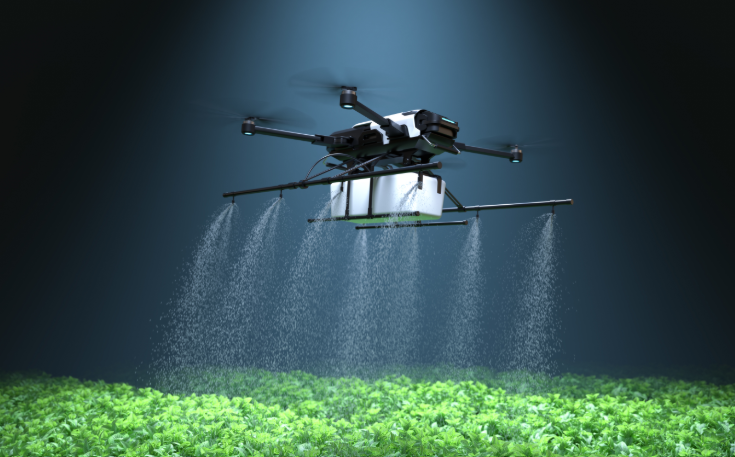
Agriculture is undergoing a major transformation as modern technology reshapes the way farmers plant, manage, harvest, and monitor crops. The latest innovations in agricultural machinery are helping producers improve efficiency, reduce labor costs, conserve resources, and increase yields. From autonomous tractors to AI-powered sprayers, today’s farm equipment is smarter, more precise, and more sustainable than ever before.
As global food demand continues to rise, farmers must produce more with fewer inputs and less environmental impact. Advanced agricultural machinery plays a vital role in meeting this challenge. Below X88 are some of the most important innovations changing the future of farming.
Autonomous Tractors and Self-Driving Farm Equipment
One of the biggest breakthroughs in agricultural machinery is the development of autonomous tractors. These self-driving machines use GPS, sensors, cameras, and artificial intelligence to perform tasks with minimal human supervision. Farmers can program autonomous tractors to plow, seed, spray, or transport materials across fields with high accuracy.
Autonomous machinery reduces the need for manual labor, which is especially important in regions facing labor shortages. It also allows farming operations to continue for longer hours, including at night, improving productivity during critical planting and harvesting seasons.
Many modern autonomous tractors are designed to collect field data as they work. This helps farmers make better decisions about soil conditions, crop health, and equipment performance.
Precision Agriculture Equipment
Precision agriculture is one of the most important trends in modern farming. It uses technology to apply seeds, fertilizer, water, and pesticides exactly where they are needed. This reduces waste, lowers costs, and improves crop performance.
Precision agricultural machinery often includes GPS guidance systems, variable rate technology, and advanced sensors. For example, variable rate seeders can adjust seed placement based on soil quality and field mapping data. Similarly, fertilizer spreaders can apply different amounts of nutrients in different field zones.
By using precision equipment, farmers can maximize yields while minimizing environmental impact. This makes precision agriculture a key part of sustainable farming.
AI-Powered Sprayers
Artificial intelligence is becoming increasingly common in agricultural machinery. One major example is the AI-powered sprayer. These advanced machines use cameras and machine learning systems to identify weeds, crops, and soil in real time.
Instead of spraying an entire field, AI sprayers target only the weeds that need treatment. This can dramatically reduce herbicide use, saving money and protecting the environment. Some systems can even distinguish between different weed species and apply the correct chemical treatment.
AI-powered spraying technology is especially valuable as farmers look for ways to manage chemical resistance, reduce input costs, and meet stricter environmental regulations.
Agricultural Drones and Aerial Monitoring
Drones have become essential tools in modern agriculture. Although they are not traditional machinery like tractors or harvesters, they are now an important part of farm equipment systems. Agricultural drones can monitor crop health, map fields, inspect irrigation systems, and detect pest or disease problems.
Equipped with high-resolution cameras and multispectral sensors, drones provide detailed data that helps farmers identify issues before they become serious. For example, drone imagery can reveal areas of drought stress, nutrient deficiency, or disease long before these problems are visible from the ground.
Some drones are also used for spraying fertilizers and pesticides, especially in difficult-to-reach areas. This increases efficiency and reduces the risks associated with manual spraying.
Robotic Harvesters
Harvesting is one of the most labor-intensive parts of farming, especially for fruits and vegetables. Robotic harvesters are helping solve this challenge. These machines use cameras, sensors, robotic arms, and AI software to identify ripe produce and pick it carefully.
Robotic harvesting technology is already being used for crops such as strawberries, apples, tomatoes, and lettuce. While the technology is still developing, it has the potential to reduce dependence on seasonal labor and improve harvesting speed.
Modern robotic harvesters are designed to handle delicate crops without causing damage. As the technology becomes more affordable and accurate, it is expected to become a common feature on farms around the world.
Smart Irrigation Machinery
Water conservation is a top priority in agriculture, especially in areas affected by drought. Smart irrigation systems use sensors, weather data, and automation to deliver the right amount of water at the right time.
These systems can monitor soil moisture, temperature, rainfall, and crop water needs. Automated pumps and irrigation machinery then adjust water delivery based on real-time conditions. This helps prevent overwatering and underwatering, improving both crop health and water efficiency.
Smart irrigation technology also reduces energy use and supports sustainable farming practices. For farmers managing large fields, automated irrigation machinery can save time and improve consistency.
Electric and Hybrid Farm Machinery
The shift toward cleaner energy is also influencing agricultural machinery. Electric and hybrid tractors, loaders, and utility vehicles are becoming more popular as manufacturers work to reduce emissions and fuel costs.
Electric farm machinery offers several benefits, including lower maintenance requirements, quieter operation, and reduced dependence on diesel fuel. While battery life and charging infrastructure remain challenges, rapid improvements in battery technology are making electric equipment more practical for farming.
Hybrid machinery, which combines traditional engines with electric power, is also gaining attention. These machines can provide strong performance while using less fuel and producing fewer emissions.
Connected Machinery and Farm Management Software
Modern agricultural machinery is increasingly connected through the Internet of Things (IoT). Tractors, combines, sprayers, and irrigation systems can now send data to farm management platforms in real time.
This connectivity allows farmers to monitor equipment location, fuel use, maintenance needs, and field performance from a computer or mobile device. Predictive maintenance of Tác giả X88 systems can alert operators before a mechanical issue causes downtime.
Farm management software also helps farmers analyze data and plan future operations. When connected machinery works together with digital platforms, farmers gain better control over their entire operation.