How New Skills Shape Career Opportunities
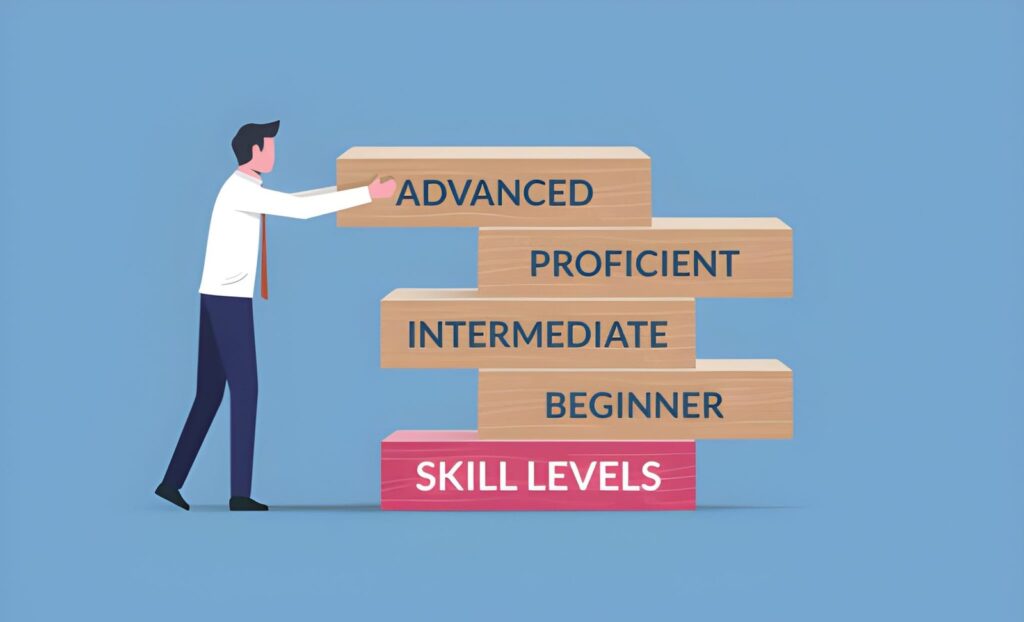
The modern workplace is changing faster than ever before. Advances in technology, evolving industries, and shifting business needs have transformed the skills employers value. While education and experience remain important, learning new skills has become one of the biggest factors in career growth. People who continue developing their abilities are better prepared to adapt to changing job markets, explore new opportunities, and achieve long-term success. Building new skills is not only about securing a better job—it is also about increasing confidence, improving problem-solving abilities, and preparing for the future. In today’s competitive world, continuous learning has become the key to unlocking exciting career opportunities.
The Importance of Continuous Learning
Learning should not stop after completing school or university. The workplace continues to evolve, making continuous learning an essential part of professional success.
People who regularly improve their knowledge remain prepared for industry changes and new challenges. Whether through online courses, workshops, books, or practical experience, every learning opportunity adds value.
Continuous learning helps individuals remain competitive and confident throughout their careers.
Adapting to a Changing Job Market
The job market constantly changes due to technological advancements and economic developments. Some careers evolve, while entirely new professions emerge every year.
People who develop new skills can adapt more easily to these changes. Instead of fearing change, they view it as an opportunity to grow and explore different career paths.
Adaptability allows professionals to stay relevant in a rapidly changing environment.
Developing Digital Skills
Digital skills have become essential across almost every industry. From communication platforms and office software to data analysis and online collaboration tools, technology is now part of everyday work.
Learning digital skills improves productivity and opens doors to a wider range of career opportunities. Employers increasingly seek candidates who can confidently use modern technologies.
Digital literacy is no longer optional—it has become a valuable professional asset.
Building Strong Communication Skills
Technical knowledge is important, but communication remains one of the most valuable workplace skills. Professionals who express ideas clearly, listen actively, and collaborate effectively often achieve greater success.
Good communication strengthens teamwork, improves customer relationships, and reduces misunderstandings. It also helps individuals present their ideas with confidence.
Strong communication skills create opportunities for leadership and career advancement.
The Value of Problem-Solving Abilities
Every workplace faces challenges that require creative and practical solutions. Employers appreciate individuals who can analyze situations, think critically, and make informed decisions.
Problem-solving skills help professionals handle unexpected situations with confidence and contribute meaningful solutions.
People who consistently solve problems become valuable members of their organizations and increase their career potential.
Leadership Skills Open New Opportunities
Leadership is not limited to management positions. Employees at every level can demonstrate leadership by taking responsibility, supporting colleagues, and contributing positive ideas.
Developing leadership skills helps individuals inspire others, manage projects, and build trust within teams. These qualities often lead to promotions and greater professional responsibilities.
Leadership creates opportunities for both personal and organizational growth.
The Importance of Creativity and Innovation
Modern employers value creativity because it drives innovation and business improvement. Creative thinking allows professionals to generate fresh ideas and discover better ways of completing tasks.
Innovation often begins with people who are willing to question traditional methods and explore new possibilities.
Developing creativity helps individuals stand out and contribute to workplace success.
Learning Through Practical Experience
While formal education provides valuable knowledge, practical experience helps people apply their skills in real situations. Internships, volunteer work, freelance projects, and workplace responsibilities all contribute to professional development.
Practical learning builds confidence and helps individuals understand industry expectations more effectively.
Experience combined with continuous learning creates a strong foundation for career success.
Preparing for Future Careers
Many future careers will require skills that are still developing today. Emerging technologies, changing industries, and global collaboration will continue to reshape employment opportunities.
People who remain curious and committed to learning are more likely to succeed in future workplaces. Staying informed about industry trends helps professionals prepare for upcoming changes.
A proactive approach to skill development creates long-term career security.
Creating a Growth Mindset
One of the most valuable qualities for career success is a growth mindset. People with this mindset believe they can improve through learning, practice, and persistence.
Instead of avoiding challenges, they see them as opportunities to develop new abilities. This positive attitude encourages resilience and continuous improvement.
A growth mindset supports lifelong learning and long-term professional achievement.
Conclusion
New skills play a vital role in shaping career opportunities and preparing individuals for the future of work. Continuous learning, digital knowledge, communication, leadership, creativity, and problem-solving all contribute to professional success. As industries continue to evolve, people who invest in their personal and professional development will be better equipped to adapt and grow. Career success is no longer based solely on experience—it depends on the willingness to learn, improve, and embrace change. By developing new skills and maintaining a growth mindset, individuals can create exciting opportunities and build rewarding careers in an ever-changing world.