Category: General

  • How New Skills Shape Career Opportunities

    How New Skills Shape Career Opportunities

    The modern workplace is changing faster than ever before. Advances in technology, evolving industries, and shifting business needs have transformed the skills employers value. While education and experience remain important, learning new skills has become one of the biggest factors in career growth. People who continue developing their abilities are better prepared to adapt to changing job markets, explore new opportunities, and achieve long-term success. Building new skills is not only about securing a better job—it is also about increasing confidence, improving problem-solving abilities, and preparing for the future. In today’s competitive world, continuous learning has become the key to unlocking exciting career opportunities.

    The Importance of Continuous Learning

    Learning should not stop after completing school or university. The workplace continues to evolve, making continuous learning an essential part of professional success.

    People who regularly improve their knowledge remain prepared for industry changes and new challenges. Whether through online courses, workshops, books, or practical experience, every learning opportunity adds value.

    Continuous learning helps individuals remain competitive and confident throughout their careers.

    Adapting to a Changing Job Market

    The job market constantly changes due to technological advancements and economic developments. Some careers evolve, while entirely new professions emerge every year.

    People who develop new skills can adapt more easily to these changes. Instead of fearing change, they view it as an opportunity to grow and explore different career paths.

    Adaptability allows professionals to stay relevant in a rapidly changing environment.

    Developing Digital Skills

    Digital skills have become essential across almost every industry. From communication platforms and office software to data analysis and online collaboration tools, technology is now part of everyday work.

    Learning digital skills improves productivity and opens doors to a wider range of career opportunities. Employers increasingly seek candidates who can confidently use modern technologies.

    Digital literacy is no longer optional—it has become a valuable professional asset.

    Building Strong Communication Skills

    Technical knowledge is important, but communication remains one of the most valuable workplace skills. Professionals who express ideas clearly, listen actively, and collaborate effectively often achieve greater success.

    Good communication strengthens teamwork, improves customer relationships, and reduces misunderstandings. It also helps individuals present their ideas with confidence.

    Strong communication skills create opportunities for leadership and career advancement.

    The Value of Problem-Solving Abilities

    Every workplace faces challenges that require creative and practical solutions. Employers appreciate individuals who can analyze situations, think critically, and make informed decisions.

    Problem-solving skills help professionals handle unexpected situations with confidence and contribute meaningful solutions.

    People who consistently solve problems become valuable members of their organizations and increase their career potential.

    Leadership Skills Open New Opportunities

    Leadership is not limited to management positions. Employees at every level can demonstrate leadership by taking responsibility, supporting colleagues, and contributing positive ideas.

    Developing leadership skills helps individuals inspire others, manage projects, and build trust within teams. These qualities often lead to promotions and greater professional responsibilities.

    Leadership creates opportunities for both personal and organizational growth.

    The Importance of Creativity and Innovation

    Modern employers value creativity because it drives innovation and business improvement. Creative thinking allows professionals to generate fresh ideas and discover better ways of completing tasks.

    Innovation often begins with people who are willing to question traditional methods and explore new possibilities.

    Developing creativity helps individuals stand out and contribute to workplace success.

    Learning Through Practical Experience

    While formal education provides valuable knowledge, practical experience helps people apply their skills in real situations. Internships, volunteer work, freelance projects, and workplace responsibilities all contribute to professional development.

    Practical learning builds confidence and helps individuals understand industry expectations more effectively.

    Experience combined with continuous learning creates a strong foundation for career success.

    Preparing for Future Careers

    Many future careers will require skills that are still developing today. Emerging technologies, changing industries, and global collaboration will continue to reshape employment opportunities.

    People who remain curious and committed to learning are more likely to succeed in future workplaces. Staying informed about industry trends helps professionals prepare for upcoming changes.

    A proactive approach to skill development creates long-term career security.

    Creating a Growth Mindset

    One of the most valuable qualities for career success is a growth mindset. People with this mindset believe they can improve through learning, practice, and persistence.

    Instead of avoiding challenges, they see them as opportunities to develop new abilities. This positive attitude encourages resilience and continuous improvement.

    A growth mindset supports lifelong learning and long-term professional achievement.

    Conclusion

    New skills play a vital role in shaping career opportunities and preparing individuals for the future of work. Continuous learning, digital knowledge, communication, leadership, creativity, and problem-solving all contribute to professional success. As industries continue to evolve, people who invest in their personal and professional development will be better equipped to adapt and grow. Career success is no longer based solely on experience—it depends on the willingness to learn, improve, and embrace change. By developing new skills and maintaining a growth mindset, individuals can create exciting opportunities and build rewarding careers in an ever-changing world.

  • How Leaders Inspire Positive Change

    How Leaders Inspire Positive Change

    Positive change rarely happens by accident. Whether a community wants to improve its future, a business needs to adapt to new challenges, or a group hopes to achieve a meaningful goal, strong leadership can make a significant difference. Leaders have the ability to influence how people think, act, and respond to change. However, inspiring positive change is not simply about giving orders. It is about creating a clear vision, building trust, encouraging participation, and showing people that progress is possible.

    The most inspiring leaders understand that change begins with people. They do not expect everyone to immediately accept new ideas. Instead, they help others understand why change is necessary and give them a reason to become part of the journey.

    Leaders Create a Clear Vision

    People are more likely to support change when they understand where they are going. A strong leader provides a clear vision of the future and explains why it matters.

    A vision does not need to be complicated. It can be as simple as creating a better workplace, improving a community, or developing a more effective way of solving a problem.

    When people can see the purpose behind an idea, they are more likely to feel motivated. A clear vision gives direction and helps individuals understand how their own efforts contribute to something larger.

    They Lead Through Example

    One of the most powerful ways leaders inspire change is by demonstrating the behavior they expect from others.

    If a leader wants people to communicate openly, they should communicate openly themselves. If they expect responsibility, they should accept responsibility for their own decisions.

    People often pay more attention to actions than words. A leader who consistently demonstrates commitment can inspire others to follow.

    Leading by example also builds credibility. When people see that a leader is willing to participate in the work and face challenges alongside them, they are more likely to trust that leader.

    Trust Makes Change Possible

    Change can create uncertainty. People may worry about new responsibilities, unfamiliar systems, or possible failure.

    Trust helps reduce this uncertainty. Leaders can build trust by communicating honestly, listening to concerns, and keeping their promises.

    A trustworthy leader does not pretend to have every answer. Instead, they acknowledge challenges and work with others to find solutions.

    When people feel that their leader is honest and dependable, they are more willing to take the risks that meaningful change often requires.

    Leaders Encourage New Ideas

    Positive change often begins with a new idea. Good leaders create environments where people feel comfortable sharing their thoughts.

    They understand that valuable ideas can come from anyone, regardless of their position or experience.

    Instead of immediately rejecting suggestions, effective leaders listen and ask questions. Even when an idea cannot be implemented, respectful consideration shows people that their contributions matter.

    This encourages creativity and creates a culture where innovation becomes part of everyday thinking.

    They Give People a Sense of Ownership

    People are more likely to support change when they feel they have a role in creating it.

    Strong leaders involve others in the process instead of making every decision alone. They ask for input, assign meaningful responsibilities, and allow people to contribute their strengths.

    This creates a sense of ownership. Individuals no longer feel that change is something being forced upon them. Instead, they become active participants in building the desired future.

    Shared ownership can make change more sustainable because people feel personally connected to the outcome.

    Leaders Handle Resistance With Patience

    Not everyone welcomes change immediately. Some people may resist because they are comfortable with existing systems, while others may simply need more information.

    Effective leaders do not automatically treat resistance as negativity. They try to understand the reasons behind it.

    By listening to concerns and explaining the purpose of change, leaders can often reduce uncertainty. They may also discover useful feedback that improves the original plan.

    Patience is important because lasting change usually takes time.

    They Celebrate Progress

    Large changes can feel overwhelming when the final goal seems far away. Good leaders help people recognize smaller achievements along the way.

    Celebrating progress can increase motivation and remind everyone that their efforts are producing results.

    Recognition does not have to be complicated. A simple thank-you, public acknowledgment, or team celebration can show appreciation.

    When people see that progress is being noticed, they are more likely to remain engaged.

    Leaders Learn and Adapt

    Successful change rarely follows a perfect plan. Unexpected problems may appear, and some strategies may not work as expected.

    Strong leaders remain flexible. They are willing to learn from experience and adjust their approach when necessary.

    This does not mean abandoning the overall vision whenever difficulties arise. Instead, it means being open to better ways of reaching the goal.

    Leaders who demonstrate adaptability also teach others that mistakes and setbacks are opportunities to learn rather than reasons to give up.

    Positive Change Starts With Small Actions

    Leaders do not always need to introduce dramatic transformations. Sometimes, meaningful change begins with small improvements.

    A manager may encourage better communication within a team. A teacher may introduce a new learning method. A community leader may organize a local project.

    These actions may appear small, but they can create momentum. Once people experience the benefits of positive change, they may become more willing to support larger improvements.

    Conclusion

    Leaders inspire positive change by giving people direction, building trust, encouraging ideas, and creating opportunities for participation. They understand that lasting progress cannot be achieved through authority alone.

    The most effective leaders lead by example and remain patient when challenges appear. They listen to people, recognize progress, and adapt when circumstances change.

    Ultimately, leadership is about helping people believe that improvement is possible and giving them the confidence to take part in it. A leader’s greatest influence may not come from the decisions they make but from the people they inspire to act.

    When leaders create a clear vision, encourage shared responsibility, and demonstrate commitment through their own actions, they can turn ideas into meaningful progress. Positive change begins when someone is willing to take the first step, but it becomes lasting when leaders inspire others to walk the journey together.

  • Latest Innovations in Agricultural Machinery

    Latest Innovations in Agricultural Machinery

    Agriculture is undergoing a major transformation as modern technology reshapes the way farmers plant, manage, harvest, and monitor crops. The latest innovations in agricultural machinery are helping producers improve efficiency, reduce labor costs, conserve resources, and increase yields. From autonomous tractors to AI-powered sprayers, today’s farm equipment is smarter, more precise, and more sustainable than ever before.

    As global food demand continues to rise, farmers must produce more with fewer inputs and less environmental impact. Advanced agricultural machinery plays a vital role in meeting this challenge. Below X88 are some of the most important innovations changing the future of farming.

    Autonomous Tractors and Self-Driving Farm Equipment

    One of the biggest breakthroughs in agricultural machinery is the development of autonomous tractors. These self-driving machines use GPS, sensors, cameras, and artificial intelligence to perform tasks with minimal human supervision. Farmers can program autonomous tractors to plow, seed, spray, or transport materials across fields with high accuracy.

    Autonomous machinery reduces the need for manual labor, which is especially important in regions facing labor shortages. It also allows farming operations to continue for longer hours, including at night, improving productivity during critical planting and harvesting seasons.

    Many modern autonomous tractors are designed to collect field data as they work. This helps farmers make better decisions about soil conditions, crop health, and equipment performance.

    Precision Agriculture Equipment

    Precision agriculture is one of the most important trends in modern farming. It uses technology to apply seeds, fertilizer, water, and pesticides exactly where they are needed. This reduces waste, lowers costs, and improves crop performance.

    Precision agricultural machinery often includes GPS guidance systems, variable rate technology, and advanced sensors. For example, variable rate seeders can adjust seed placement based on soil quality and field mapping data. Similarly, fertilizer spreaders can apply different amounts of nutrients in different field zones.

    By using precision equipment, farmers can maximize yields while minimizing environmental impact. This makes precision agriculture a key part of sustainable farming.

    AI-Powered Sprayers

    Artificial intelligence is becoming increasingly common in agricultural machinery. One major example is the AI-powered sprayer. These advanced machines use cameras and machine learning systems to identify weeds, crops, and soil in real time.

    Instead of spraying an entire field, AI sprayers target only the weeds that need treatment. This can dramatically reduce herbicide use, saving money and protecting the environment. Some systems can even distinguish between different weed species and apply the correct chemical treatment.

    AI-powered spraying technology is especially valuable as farmers look for ways to manage chemical resistance, reduce input costs, and meet stricter environmental regulations.

    Agricultural Drones and Aerial Monitoring

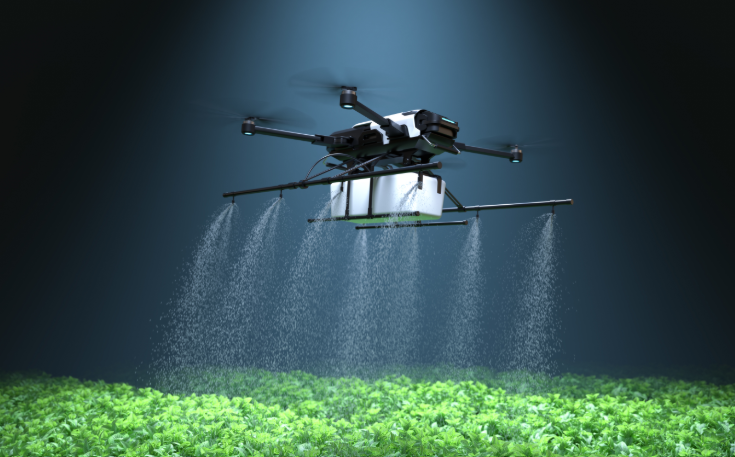
    Drones have become essential tools in modern agriculture. Although they are not traditional machinery like tractors or harvesters, they are now an important part of farm equipment systems. Agricultural drones can monitor crop health, map fields, inspect irrigation systems, and detect pest or disease problems.

    Equipped with high-resolution cameras and multispectral sensors, drones provide detailed data that helps farmers identify issues before they become serious. For example, drone imagery can reveal areas of drought stress, nutrient deficiency, or disease long before these problems are visible from the ground.

    Some drones are also used for spraying fertilizers and pesticides, especially in difficult-to-reach areas. This increases efficiency and reduces the risks associated with manual spraying.

    Robotic Harvesters

    Harvesting is one of the most labor-intensive parts of farming, especially for fruits and vegetables. Robotic harvesters are helping solve this challenge. These machines use cameras, sensors, robotic arms, and AI software to identify ripe produce and pick it carefully.

    Robotic harvesting technology is already being used for crops such as strawberries, apples, tomatoes, and lettuce. While the technology is still developing, it has the potential to reduce dependence on seasonal labor and improve harvesting speed.

    Modern robotic harvesters are designed to handle delicate crops without causing damage. As the technology becomes more affordable and accurate, it is expected to become a common feature on farms around the world.

    Smart Irrigation Machinery

    Water conservation is a top priority in agriculture, especially in areas affected by drought. Smart irrigation systems use sensors, weather data, and automation to deliver the right amount of water at the right time.

    These systems can monitor soil moisture, temperature, rainfall, and crop water needs. Automated pumps and irrigation machinery then adjust water delivery based on real-time conditions. This helps prevent overwatering and underwatering, improving both crop health and water efficiency.

    Smart irrigation technology also reduces energy use and supports sustainable farming practices. For farmers managing large fields, automated irrigation machinery can save time and improve consistency.

    Electric and Hybrid Farm Machinery

    The shift toward cleaner energy is also influencing agricultural machinery. Electric and hybrid tractors, loaders, and utility vehicles are becoming more popular as manufacturers work to reduce emissions and fuel costs.

    Electric farm machinery offers several benefits, including lower maintenance requirements, quieter operation, and reduced dependence on diesel fuel. While battery life and charging infrastructure remain challenges, rapid improvements in battery technology are making electric equipment more practical for farming.

    Hybrid machinery, which combines traditional engines with electric power, is also gaining attention. These machines can provide strong performance while using less fuel and producing fewer emissions.

    Connected Machinery and Farm Management Software

    Modern agricultural machinery is increasingly connected through the Internet of Things (IoT). Tractors, combines, sprayers, and irrigation systems can now send data to farm management platforms in real time.

    This connectivity allows farmers to monitor equipment location, fuel use, maintenance needs, and field performance from a computer or mobile device. Predictive maintenance of Tác giả X88 systems can alert operators before a mechanical issue causes downtime.

    Farm management software also helps farmers analyze data and plan future operations. When connected machinery works together with digital platforms, farmers gain better control over their entire operation.

  • Financial Planning for Small Business Owners

    Financial Planning for Small Business Owners

    Running a small business is exciting, but it also comes with financial uncertainty. Whether you own a local shop, a service-based company, an online store, or a growing startup, strong financial planning is essential for long-term success. Without a clear plan, it can be difficult to manage cash flow, prepare for taxes, fund growth, or handle unexpected challenges.

    Financial planning for small business owners is not just about tracking income and expenses. It involves setting goals, managing risk, building savings, understanding taxes, and making smart decisions that support both your business and personal financial future.

    Why Financial Planning Matters for Small Business Owners

    Many small businesses fail not because they lack customers, but because they lack proper financial management. A solid financial plan helps you understand where your money is going Ga6789, how much profit you are making, and what steps you need to take to grow sustainably.

    Good financial planning allows small business owners to:

    – Maintain healthy cash flow
    – Prepare for slow seasons
    – Reduce unnecessary expenses
    – Plan for taxes
    – Invest in growth opportunities
    – Protect personal and business assets
    – Make better financial decisions

    When you have a clear financial roadmap, you can respond to challenges with confidence instead of reacting under pressure.

    Set Clear Business and Financial Goals

    The first step in financial planning is setting clear goals. These goals should be specific, measurable, and realistic. For example, instead of saying, “I want to increase revenue,” a better goal would be, “I want to increase monthly revenue by 20% within the next 12 months.”

    Common financial goals for small business owners include:

    – Increasing annual revenue
    – Improving profit margins
    – Paying off business debt
    – Hiring employees
    – Expanding to a new location
    – Purchasing equipment
    – Building an emergency fund
    – Saving for retirement

    Once your goals are defined, you can create a financial plan that outlines the steps, timeline, and resources needed to achieve them.

    Create a Realistic Budget

    A business budget is one of the most important tools for financial planning. It helps you estimate income, control spending, and plan for future expenses. Your budget should include fixed costs, variable costs, expected revenue, taxes, debt payments, and savings.

    Fixed costs may include rent, insurance, software subscriptions, and salaries. Variable costs may include inventory, shipping, marketing, and utilities. Reviewing your budget regularly allows you to identify areas where you can reduce costs and improve profitability.

    A realistic budget should not be too optimistic. It is better to plan conservatively and be pleasantly surprised by higher profits than to overestimate income and struggle to cover expenses.

    Manage Cash Flow Effectively

    Cash flow is the movement of money in and out of your business. Even profitable businesses can run into trouble if they do not have enough cash available to pay bills, employees, or suppliers.

    To improve cash flow, small business owners should:

    – Send invoices promptly
    – Follow up on late payments
    – Offer multiple payment options
    – Negotiate better payment terms with suppliers
    – Monitor expenses closely
    – Maintain a cash reserve

    Using accounting software can make cash flow management easier by helping you track income, expenses, unpaid invoices, and upcoming bills. Regular cash flow forecasting also helps you prepare for slow periods and avoid financial surprises.

    Separate Business and Personal Finances

    One of the most common mistakes small business owners make is mixing personal and business finances. This can create confusion, make tax preparation harder, and expose personal assets to risk.

    Open a separate business bank account and use a dedicated business credit card for company expenses. Pay yourself a consistent salary or owner’s draw rather than taking money from the business randomly.

    Separating finances also gives you a clearer picture of your business performance. It helps you understand whether your company is truly profitable and makes it easier to apply for loans or attract investors.

    Plan for Taxes Throughout the Year

    Tax planning is a key part of small business financial planning. Waiting until the end of the year can lead to stress, missed deductions, and unexpected tax bills.

    Small business owners should set aside money for taxes each month. Depending on your business structure, you may need to pay estimated quarterly taxes. Keeping accurate records of income and expenses is essential for claiming deductions and staying compliant.

    Common tax-deductible business expenses may include:

    – Office supplies
    – Business travel
    – Marketing costs
    – Professional services
    – Insurance premiums
    – Equipment purchases
    – Home office expenses

    Working with a qualified accountant or tax professional can help you reduce tax liability and avoid costly mistakes.

    Build an Emergency Fund

    Unexpected expenses can happen at any time. Equipment may break, sales may slow down, or economic conditions may change. An emergency fund provides financial protection and helps your business survive difficult periods.

    Ideally, small business owners should save enough to cover three to six months of operating expenses. If that feels overwhelming, start small by setting aside a percentage of monthly profits. Over time, your emergency fund will grow and provide greater financial security.

    Manage Debt Wisely

    Business debt can be useful when used strategically. Loans, credit lines, and business credit cards can help fund expansion, purchase equipment, or manage short-term cash flow. However, too much debt can hurt your profitability and limit your options.

    Before taking on debt, consider the total cost, interest rate, repayment terms, and expected return on investment. Avoid borrowing money for expenses that do not directly support growth or stability.

    If you already have debt, create a repayment plan. Prioritize high-interest debt and consider refinancing if better terms are available.

    Invest in Business Growth

    Financial planning is not only about saving money. It is also about making smart investments that help your business grow. This may include improving your website, launching marketing campaigns, upgrading equipment, training employees, or developing new products.

    Before making a major investment, review your financial data and determine whether the potential return justifies the cost. Strategic investments can increase efficiency, attract customers, and improve long-term profitability.

    Plan for Your Personal Financial Future

    Small business owners often focus so much on the company that they neglect personal financial planning. However, your business and personal finances are closely connected.

    Consider your retirement savings, health insurance, life insurance, and estate planning. Since many small business owners do not have employer-sponsored retirement plans, options such as a SEP IRA, SIMPLE IRA, or solo 401(k) may be worth exploring.

    You should also think about succession planning. Whether you plan to sell the business,Trận đá gà 24 Tỷ pass it to a family member, or close it eventually, having a plan protects your financial future.

    Review Your Financial Plan Regularly

    Financial planning is not a one-time task. Your business will change over time, and your financial plan should change with it. Review your budget, cash flow, goals, and financial statements at least quarterly.

    Regular reviews help you spot problems early, adjust your strategy, and take advantage of new opportunities. They also help you stay focused on your long-term vision.

    Final Thoughts

    Financial planning for small business owners is essential for stability, growth, and peace of mind. By setting clear goals, creating a budget, managing cash flow, planning for taxes, and protecting your personal finances, you can build a stronger and more resilient business.

    A well-structured financial plan gives you control over your money and confidence in your decisions. Whether your business is just starting or already established, the best time to improve your financial planning is now.